
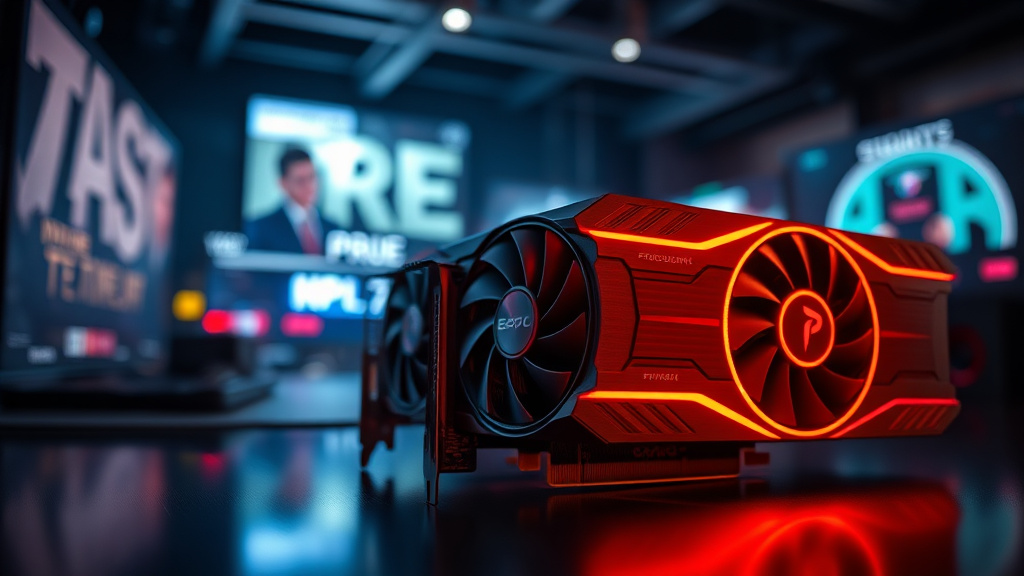
The gaming industry is experiencing a groundbreaking evolution as next-generation graphics cards hit the market, shattering performance records and reshaping what’s possible for computer gamers. Whether you’re targeting ultra-high frame rates at maximum settings or exploring visually stunning new titles, these powerful processors deliver the computational strength needed to dominate competitive play and lose yourself in immersive gaming universes. Discover how the latest innovations in display technology are setting new standards globally.
Advanced GPU Design and Performance Gains
The latest generation of graphics cards delivers groundbreaking architectural innovations that fundamentally transform GPU computing. These modern chips include sophisticated processor architectures with increased transistor density, enabling considerably faster clock speeds and improved power efficiency. Manufacturers have poured substantial funding in R&D initiatives to create chips that deliver exceptional performance while preserving heat management. The result is a dramatic leap forward in processing capability, allowing gamers to experience gaming at previously unattainable performance levels with stunning image quality.
Performance metrics demonstrate staggering improvements throughout gaming scenarios and resolutions. Frame rates at 4K ultra settings have approximately tripled versus previous generations, while ray tracing capabilities now deliver cinematically accurate lighting while maintaining playability. Memory bandwidth has grown considerably, enabling more fluid performance and fewer frame drops during intense graphical sequences. These improvements translate directly into tangible benefits for gamers, from high-performance competitive games requiring high refresh rates to graphics-intensive single-player experiences needing maximum graphical settings.
The design enhancements go past raw speed, integrating intelligent power management systems that enhance efficiency automatically. High-performance cooling systems integrated directly into the GPU design maintain optimal operating temperatures even during prolonged play periods. Memory setups now enable quicker data retrieval, reducing latency and improving overall system responsiveness. These comprehensive enhancements operate in concert to produce an outstanding gameplay environment that defines new industry standards.
Dedicated CUDA cores and tensor processing elements now manage intricate computations with unprecedented efficiency, accelerating both traditional rasterization and emerging ray-tracing techniques simultaneously. The improved cache hierarchy reduces data retrieval bottlenecks, guaranteeing that high-performance components never lack sufficient throughput. These architectural refinements resolve long-standing limitations that previously constrained gaming performance, enabling developers to create increasingly ambitious and visually spectacular game worlds.
Practical gaming evaluations show that these architectural advances deliver substantial performance gains across diverse gaming libraries. Major AAA games now achieve smooth 120+ fps at maximum settings on high-resolution displays, while competitive titles reach competitive 240+ fps thresholds with ease. The frame delivery consistency has increased substantially, with lower frame time fluctuation providing smoother, more responsive gameplay. These performance improvements mark a significant milestone in graphics technology evolution.
The efficiency enhancements prove equally impressive, as power draw continues impressively managed despite significant performance gains. Contemporary production techniques at smaller nanometer scales contribute to this performance efficiency leap, permitting manufacturers to pack increased computing capacity into the matching heat dissipation limit. This equilibrium of performance and power efficiency produces GPUs that offer superior gaming capabilities while staying feasible for standard consumer power systems and thermal solutions.
Enhanced Functionalities Improving Gaming Experience
Modern graphics cards incorporate sophisticated technologies that enhance how games are processed and shown. Ray tracing capabilities deliver lifelike illumination and mirror effects, while DLSS technology smartly enhances lower-resolution images to sustain impressive graphics without reducing frame rates. These advanced features function in harmony, letting users to experience remarkable graphical detail while preserving smooth, responsive gameplay across resource-heavy major releases and high-level competitive titles.
- Live ray tracing for photorealistic lighting effects
- AI-powered image enhancement increases frame rates substantially
- Advanced cooling systems ensure optimal performance temperatures
- Variable refresh rate support removes screen tearing issues
- Hardware acceleration for content encoding and streaming
The inclusion of machine learning algorithms within modern GPUs enables smart optimization of performance that adapts to individual games without manual intervention. These adaptive technologies assess gameplay patterns in real time, tuning display parameters to provide optimal frame rates and image quality simultaneously. Gamers benefit from dramatically reduced lag and snappier controls, delivering a competitive advantage in competitive multiplayer environments where split seconds dictate victory.
Memory bandwidth has grown significantly in the latest generation, allowing graphics cards to manage enormous information sets required for intricate world elements and character models. Enhanced memory architectures support quicker information movement between GPU and system memory, eliminating bottlenecks that previously hindered gameplay efficiency. This architectural advancement enables developers to create richer, more detailed game worlds with complex surface details, complex physical interactions, and complex artificial intelligence systems that were previously impossible.
Industry Influence and Future Gaming Possibilities
Industry Transformation and Market Growth
The release of these cutting-edge GPU technology is fundamentally reshaping the gaming equipment market, generating substantial increases across the industry. Manufacturers are seeing exceptional demand as consumers upgrade their setups to access next-generation capabilities benefits. This surge in adoption is driving innovation processes, encouraging competitors to speed up development timelines. The market competition has intensified, advantaging consumers through rapid technological advancement and enhanced pricing models. Market experts project sustained growth over the coming years as gaming continues to expand around the world.
Major tech companies are investing heavily in GPU research and development, acknowledging the enormous market potential. Graphics card sales have reached record levels, with premium models commanding significant market portions. This monetary achievement enables manufacturers to allocate greater resources toward next-generation advancements. The momentum created through current releases is setting new benchmarks for performance standards. Retailers globally report strong sales figures, indicating robust consumer enthusiasm for these advanced solutions and their game-changing potential.
Advanced Gaming Experiences
These graphics cards are delivering exceptional gameplay moments formerly deemed unfeasible on standard gaming systems. Developers are now creating projects employing advanced ray tracing, artificial intelligence, and realistic rendering methods. Games featuring high-definition texture quality, intricate physics systems, and expansive virtual environments are increasingly commonplace. Players can expect fluid gameplay at ultra-high definition resolution with maximum graphical settings enabled. The technical infrastructure created by these GPUs promises years of exceptional gaming performance and visual fidelity.
Future gaming opportunities transcend conventional games into cutting-edge innovations like VR and metaverse applications. Graphics cards with advanced computational strength support immersive VR experiences with unprecedented visual quality and responsivity. Streaming gaming platforms are leveraging enhanced graphics processing, providing high-quality console experiences to various platforms. AI integration within games produces sophisticated AI characters and responsive worlds. These developments position PC gaming at the front lines of entertainment technology, attracting fresh players worldwide.
Consumer Adoption and Long-term Value
Players acquiring these graphics cards are securing considerable enduring value through sustained performance viability. The next-generation jump in capabilities ensures compatibility with upcoming game releases for years. Vendors offer strong driver maintenance and software optimizations, consistently boosting performance throughout the device lifecycle. Consumers enjoy better stability, new features, and compatibility updates through regular updates. This dedication to ongoing support enhances the value offering for first-time purchasers and supports premium pricing.
The accessibility of these high-performance GPUs across different budget levels democratizes cutting-edge gaming performance for larger groups of gamers. price-sensitive gamers can access meaningful performance improvements, while serious gamers enjoy top-tier performance. This multi-tier strategy drives widespread adoption and market penetration. As output capacity increase and competitive pressure rises, price movements indicate enhanced value. The blend of superior performance, extended lifecycle value, and better accessibility positions these graphics cards as significant upgrades for PC gamers worldwide.
